Leon Hartmann · 3 October 2026
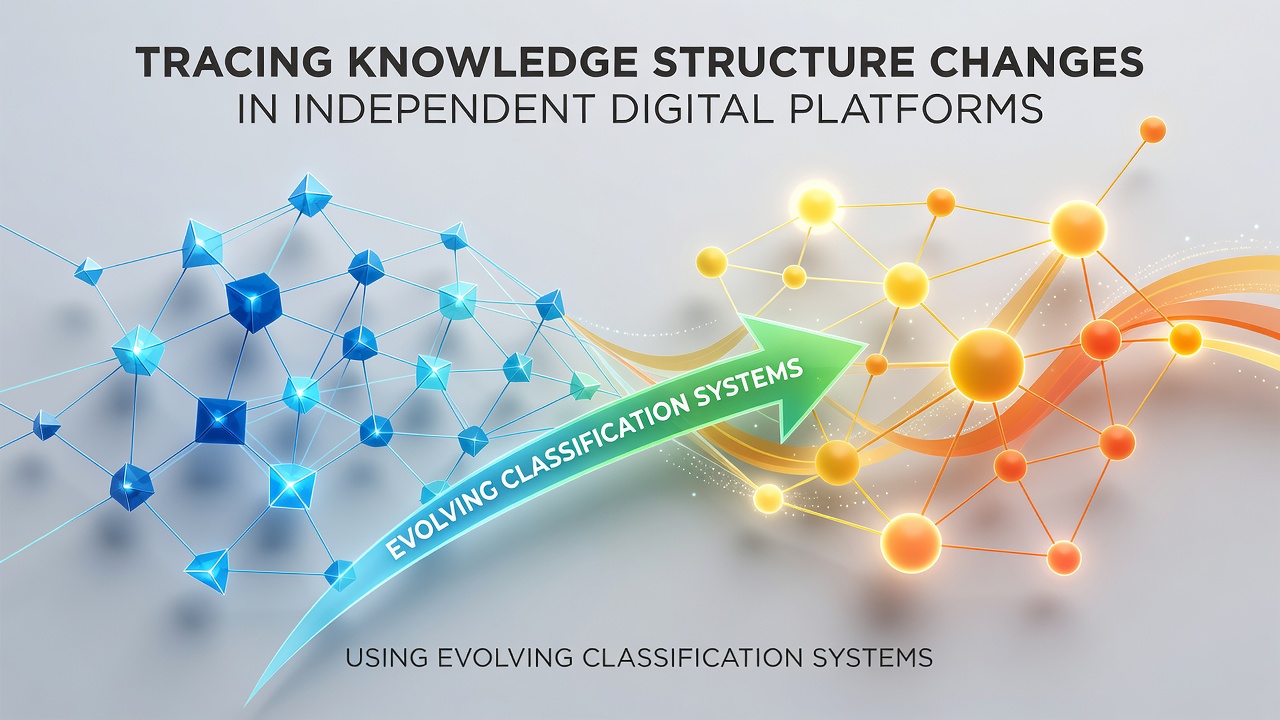
Tracing Knowledge Structure Changes in Independent Digital Platforms Using Evolving Classification Systems
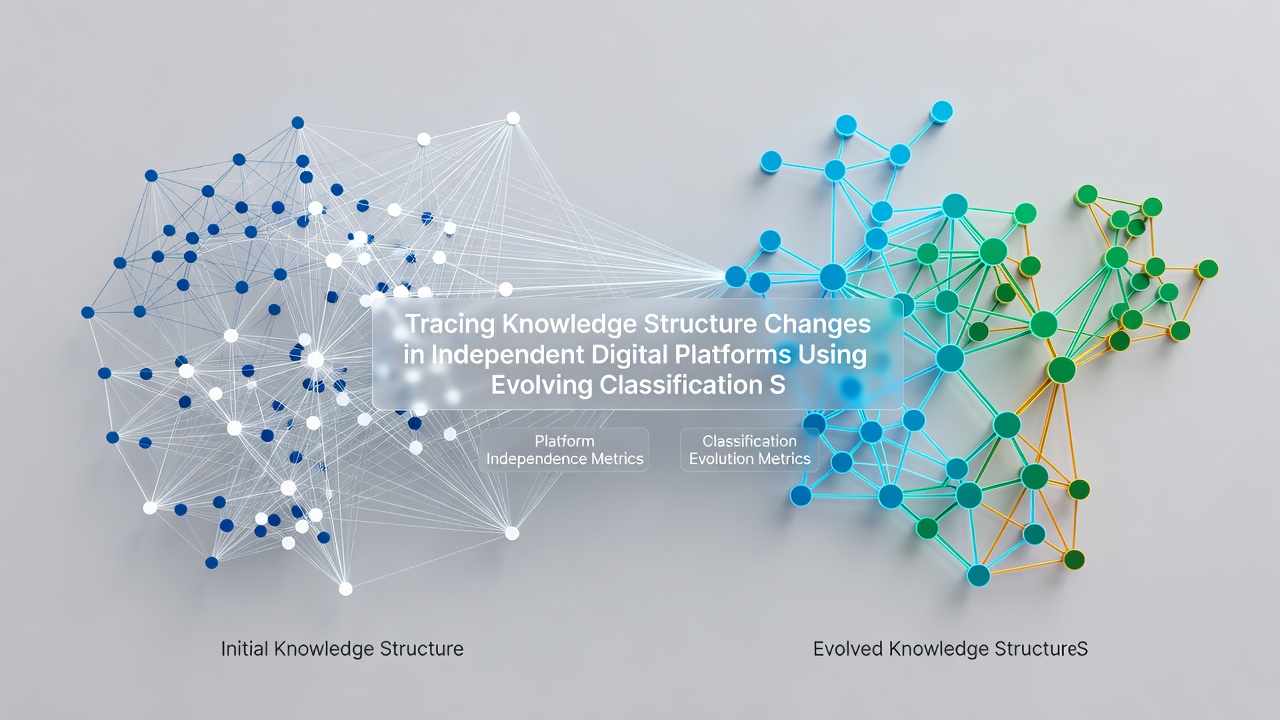
Independent digital platforms maintain their own knowledge structures through classification systems that adapt as content accumulates and user interactions shift over time, and observers note that these adaptations occur through incremental updates rather than wholesale replacements in most documented cases. Researchers track these changes by mapping how categories, tags, and relational links reorganize themselves when new material enters the system or existing entries receive revisions, while data from platform archives shows that such reorganizations often cluster around periods of high content influx.
Core Mechanisms Behind Classification Evolution
Classification systems on these platforms rely on hierarchical taxonomies combined with flat tagging layers, and experts have observed that the interplay between the two layers produces measurable structural drift when feedback loops from user navigation data feed back into the taxonomy rules. Studies indicate that platforms using adaptive mapping routines adjust node weights based on link frequency and search query patterns, whereas static systems retain older hierarchies even after content themes have migrated to new areas. Those who've examined archive snapshots across multiple years report that the rate of structural change accelerates when external events introduce clusters of related material that do not fit existing parent categories.
Methods for Detecting Structural Shifts
Analysts apply longitudinal comparison techniques that align successive versions of a platform's classification graph, and these techniques reveal both gradual drift and abrupt reconfigurations triggered by major content migrations. One documented approach involves calculating semantic distance between category centroids at fixed intervals, while another tracks the emergence of bridge tags that connect previously separate branches. Figures from platform maintenance logs demonstrate that detection accuracy improves when both structural metrics and content similarity scores are combined in a single analysis pipeline.
Case Examples from Platform Archives
Take one independent site focused on technical documentation that reorganized its top-level categories in 2024 after two years of accumulating entries on emerging protocols, and the change redistributed dozens of articles across newly created sub-nodes while preserving legacy paths through redirect mappings. There's this case where experts found that a personal research log adopted a hybrid system blending chronological and thematic axes, which allowed older entries to surface under updated themes without requiring manual retagging of every item. Data from these examples shows that the number of cross-category links increased by measurable margins after each reorganization round.
Role of Feedback Integration Loops
Feedback integration loops pull usage statistics, search logs, and direct user suggestions into the classification update process, and research indicates that platforms incorporating these loops experience faster alignment between user mental models and the actual category structure. According to reports from digital preservation initiatives at the Canadian Heritage digital preservation program, consistent incorporation of navigation data reduces the lag between content growth and taxonomy updates. Yet platforms that skip regular feedback reviews show persistent mismatches where popular content remains buried under outdated parent nodes.
Developments Observed Through October 2026
As of October 2026, several independent platforms have implemented automated classification review cycles that run on quarterly schedules, and initial results from these cycles indicate reduced manual intervention requirements while maintaining consistency across expanding content volumes. Observers note that the integration of vector-based similarity measures into these cycles allows systems to flag potential new categories before human curators review the suggestions, and early adoption data reveals measurable decreases in duplicate tagging incidents.
Implications for Platform Longevity
Platforms that maintain evolving classification systems sustain discoverability even as their archives grow, and evidence from multi-year tracking projects shows that consistent taxonomy maintenance correlates with higher retention of older content in search results. Researchers discovered that abrupt structural overhauls sometimes produce temporary drops in navigation efficiency, whereas incremental adjustments preserve user familiarity while accommodating new themes. Those monitoring these patterns continue to refine detection tools that balance automation with human oversight to support sustained platform utility.
Conclusion
Tracing knowledge structure changes through evolving classification systems provides a practical lens for understanding how independent digital platforms organize and surface their content over extended periods, and the combination of longitudinal mapping, feedback integration, and periodic review cycles offers documented pathways for maintaining structural coherence. Data from ongoing archive analyses continues to inform refinements in detection methods, while platforms adopting these approaches demonstrate measurable improvements in content accessibility across successive content growth phases.